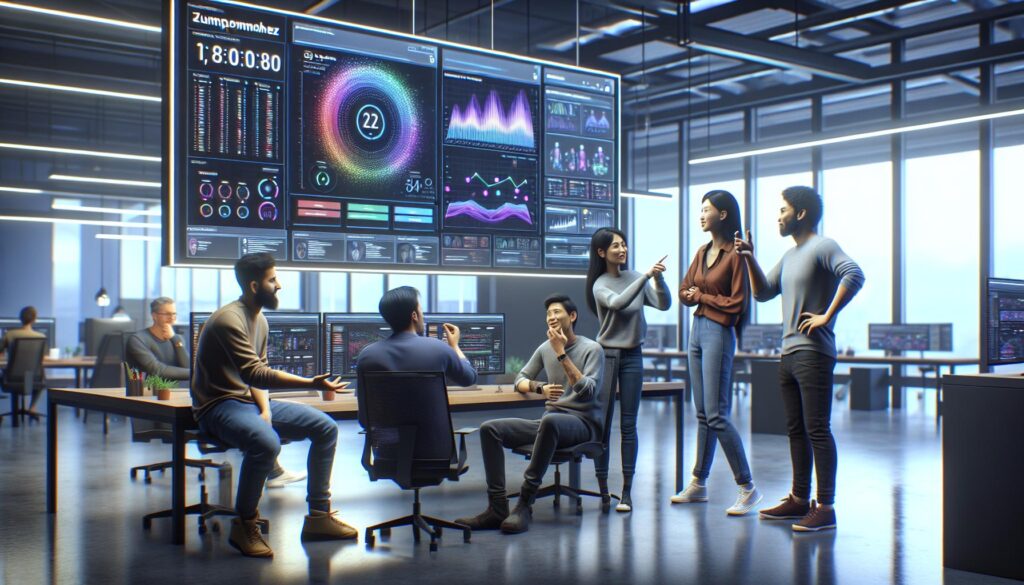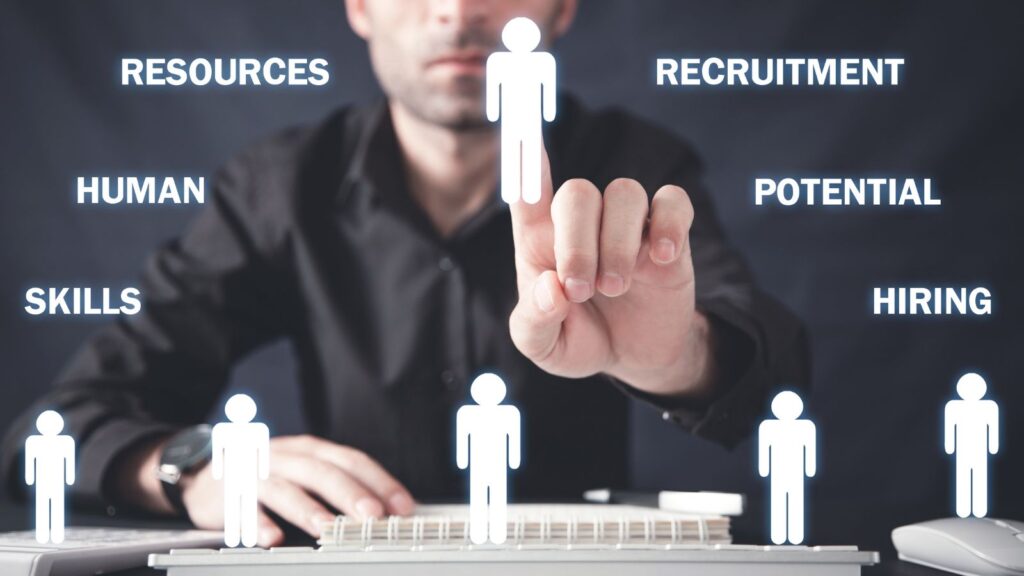
In today’s competitive landscape, human resources (HR) is no longer just about headcounts and payroll. It’s a strategic engine that drives business growth — and artificial intelligence (AI) is turbocharging its impact. From recruiting and attendance to performance management and mentoring, modern HR software leverages intelligent automation and predictive analytics to help organizations hire better, manage workforces more effectively, and develop talent more strategically than ever before.
1. Recruiting: Faster, Smarter, Less Biased Hiring
Recruitment remains one of the most resource-intensive and essential functions in HR, especially for fast-growing businesses that can’t afford mis-hires. Traditional hiring — posting jobs, manually screening resumes, and coordinating interviews — was slow and often subjective. AI is redefining this process in several ways:
- AI-Assisted Candidate Sourcing and Screening
AI can scan millions of candidate profiles and resumes across job boards, social networks, and internal databases to surface the best matches based on skills, experience, and cultural fit. Instead of manual keyword searches, intelligent algorithms evaluate patterns and relevance, reducing time-to-hire and expanding talent reach. - Automated Candidate Ranking
Rather than sorting piles of resumes manually, an AI-enhanced system can rank applicants based on how well they align with job requirements and predictive success indicators. Recruiters get a prioritized shortlist, enabling faster decision-making and better outcomes. - Bias Mitigation and Fairer Assessments
AI tools can be trained to reduce unconscious bias by focusing on competencies and objective inputs, rather than subjective traits or demographic data — improving diversity outcomes and creating a fairer hiring pipeline. - Integrated Interviewing Workflows
Some solutions embed AI into the interview stage by automating video interview scheduling, generating data-driven interview questions, or using natural language processing (NLP) to analyze responses and assess competencies. These innovations cut coordination time and provide richer insights into candidate potential.
For growth-oriented teams, AI-enhanced recruiting tools act like a virtual hiring assistant — scanning, scoring, and streamlining tasks that used to consume hours of recruiter time.
2. Attendance and Workforce Management: AI That Sees and Predicts
Tracking attendance and workforce availability may seem mundane, but it’s a critical piece of operational efficiency — especially in hybrid and remote work environments. Modern HR systems are moving beyond manual time sheets and punch-clocks:
- Automated Time and Attendance Systems
Cloud-based HR platforms now offer attendance modules that sync with employee devices, schedules, and location data. Some use biometrics or computer vision to automate check-ins (e.g., facial recognition or device proximity), eliminating buddy-clocking and manual entry errors. - Predictive Workforce Analytics
AI can detect patterns in attendance — such as frequent late arrivals or absenteeism — and alert HR managers before these trends translate into productivity issues. Coupled with workflow data, these systems help leaders plan staffing and ensure adequate coverage across functions. - Policy Enforcement and Self-Service Tools
Employees benefit from built-in self-service portals that let them request time off, check accrued hours, and resolve attendance discrepancies, while AI workflows automatically enforce policies and track compliance.
By automating the attendance lifecycle, companies save administrative time, reduce errors, and gain visibility into workforce behaviors that impact productivity.
3. Performance Management: Continuous Feedback Over Annual Reviews
AI is also reshaping the way companies assess and develop talent. Traditional performance reviews — often annual, subjective, and disconnected from real outcomes — are being replaced by continuous performance management systems powered by AI insights.
- Real-Time Performance Insights
Advanced tools analyze employee contributions across projects, collaboration platforms, and work outputs to generate ongoing performance feedback. Managers can receive data-backed insights that help them coach rather than judge. - Personalized Development Paths
Rather than one-size-fits-all goals, AI can craft individualized growth plans based on skills gaps, career aspirations, and performance history, recommending training modules, stretch assignments, or mentoring opportunities. - Enhanced Engagement Metrics
AI engines monitor sentiment signals — from surveys, collaboration tools, and work patterns — to flag potential disengagement or burnout before it affects performance. This enables proactive retention efforts and smarter resource allocation.
Emerging platforms focus less on punitive scoring and more on enabling employees to thrive through contextual, evidence-based performance management workflows.
4. Business Mentoring Software: Scaling Growth and Professional Development
One of the most impactful applications of software in HR isn’t just about managing people — it’s about growing them. Business mentoring software now amplifies learning, knowledge sharing, and leadership development across organizations of all sizes.
Why Mentoring Matters in Business
Mentoring has shifted from informal ‘buddy systems’ to strategic talent development programs that drive retention, skill transfer, and engagement. Structured mentoring helps new hires ramp up faster, supports high-potential talent, and fosters a culture where knowledge flows freely across levels and functions.
However, managing mentoring at scale — across dozens or hundreds of participants — can be administratively heavy without proper tools. This is where dedicated mentoring platforms come in.
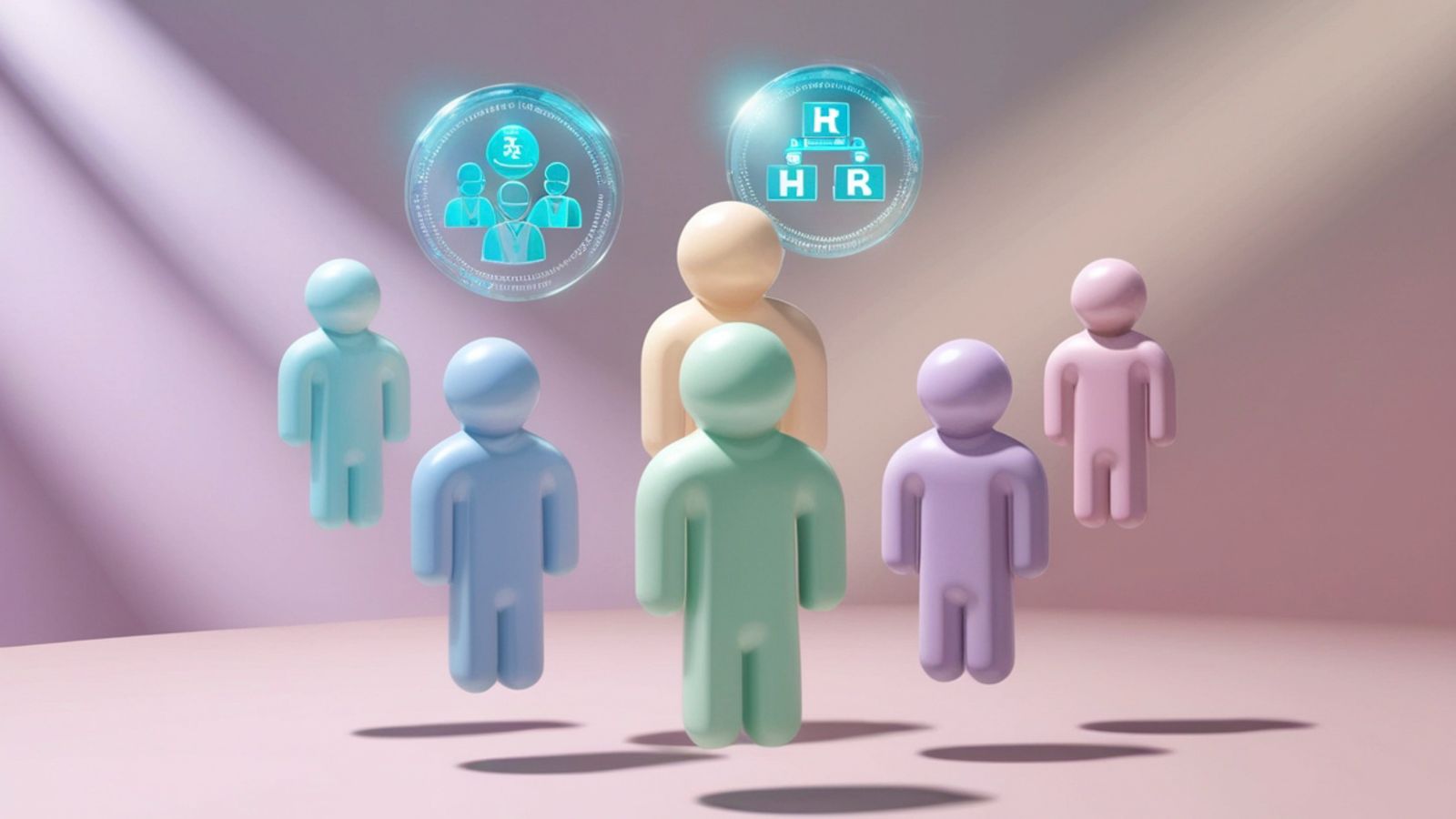
Core Features of Modern Mentoring Platforms
- AI-Powered Matching Algorithms
Matching mentors and mentees traditionally relied on manual profiling and guesswork. Today’s platforms use AI to analyze skills, goals, preferences, and behavioral data to recommend optimal mentor–mentee pairings, significantly improving match quality and engagement rates while reducing administrative burden. - Guided Conversations and Structured Agendas
Not all mentoring relationships flourish by chance. Many software systems embed guided pathways with conversation prompts, milestone checklists, and next-step plans — helping mentors and mentees stay focused, progress faster, and build trust through purposeful dialogue. - Flexible Mentoring Formats
Business mentoring isn’t one dimensional. Effective platforms support diverse styles like career mentoring, reverse mentoring (where junior talent mentors senior leaders on new trends), flash mentoring for quick targeted sessions, and group mentoring circles that make shared learning scalable. - Integration With HR Systems and Daily Workflows
Mentoring solutions integrate with core HR platforms, calendars, communication apps, and learning management systems — enabling automated data sync, seamless scheduling, and in-context notifications. This reduces friction and ensures mentoring becomes a natural part of employees’ workflows. - Analytics and Reporting
Just as performance metrics matter in HR generally, mentoring software reports on participation, engagement levels, skill improvement, and retention impact. Leaders can see clear insights that demonstrate return on investment and refine programs over time.
Business Impact of Mentoring Software
At its best, business mentoring software becomes a force multiplier:
- Accelerating skill development and reducing onboarding time
- Retaining top performers by investing in their career journeys
- Building leadership pipelines ready for growth transitions
- Fostering inclusive and collaborative cultures where knowledge isn’t siloed
These systems help organizations treat talent development as a measurable business outcome, not an ad-hoc activity.
Conclusion
AI-enhanced HR software is transforming how companies attract, manage, and grow their workforce. For recruitment, AI helps hire faster and smarter; for attendance and performance management, it brings automation and predictive insight; and for mentoring, it scales personalized development in ways that were previously impossible. As workplace challenges continue to evolve, HR tech — powered by AI and intelligent workflows — offers a strategic advantage for any business looking to thrive in the coming decade.